Parkinson’s disease is a progressive neurological condition that primarily affects motor function. While there is currently no cure, the strategies for managing Parkinson’s disease have evolved significantly. Modern treatment focuses on maintaining quality of life, reducing tremors, and improving mobility through a combination of medication, physical therapy, and advanced surgical interventions.
Early diagnosis remains a vital component of successful management. When symptoms such as resting tremors, muscle stiffness, and slowed movement (bradykinesia) are identified early, a consultant neurologist can tailor a plan to slow the impact on daily activities.
Pharmacological Treatments and Medication Management
The primary goal of medication is to replenish dopamine levels in the brain. Levodopa remains the most effective treatment. It is often combined with carbidopa to improve absorption and reduce side effects.
Other pharmacological options include:
- Dopamine Agonists: These mimic the effects of dopamine in the brain.
- MAO-B Inhibitors: These help prevent the breakdown of existing brain dopamine.
- COMT Inhibitors: These extend the effect of levodopa therapy.
Managing these medications requires precise timing. As the condition progresses, some patients experience periods where medication wears off before the next dose is due. Adjusting the dosage or introducing extended-release formulas can help maintain a steady state of symptom control.
Advanced Therapies and Surgical Options
For patients who no longer respond effectively to oral medications or who experience severe involuntary movements, advanced therapies offer a different path.
Deep Brain Stimulation (DBS) is a well-established surgical procedure where electrodes are implanted into specific parts of the brain. These electrodes produce electrical impulses that regulate abnormal impulses. This can significantly reduce the need for medication and stabilise motor fluctuations.
Other modern approaches include continuous subcutaneous apomorphine infusions or levodopa-carbidopa intestinal gel. These methods provide a more constant delivery of medication than traditional tablets.
The Role of Physical and Occupational Therapy
Managing Parkinson’s disease is not limited to clinical prescriptions. Physical activity is a powerful tool in preserving motor function. Specialist neuro-physiotherapy focuses on gait, balance, and strengthening exercises to reduce the risk of falls.
Occupational therapy assists patients in adapting their home and work environments. This might include using assistive devices or learning new techniques for tasks that have become difficult due to tremors or stiffness. Speech and language therapy is also beneficial if the condition begins to affect voice volume or swallowing.
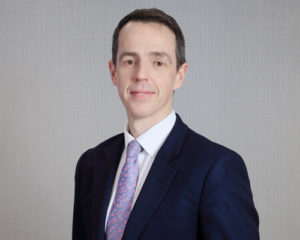
Managing Parkinson’s Disease with Dr Paviour
Nutrition and sleep hygiene play a supportive role in overall wellbeing. A diet high in fibre and adequate hydration can help manage common symptoms like constipation. Regular aerobic exercise has also been shown to have potential neuroprotective benefits.
Support from a multidisciplinary team ensures that the treatment plan remains responsive to the changing needs of the patient. This team typically includes neurologists, specialist nurses, and therapists. Regular reviews allow for the fine-tuning of treatments to ensure independence for as long as possible.
If you are concerned about symptoms or wish to discuss management strategies, Dr Paviour provides expert neurological assessment and personalised care plans.