
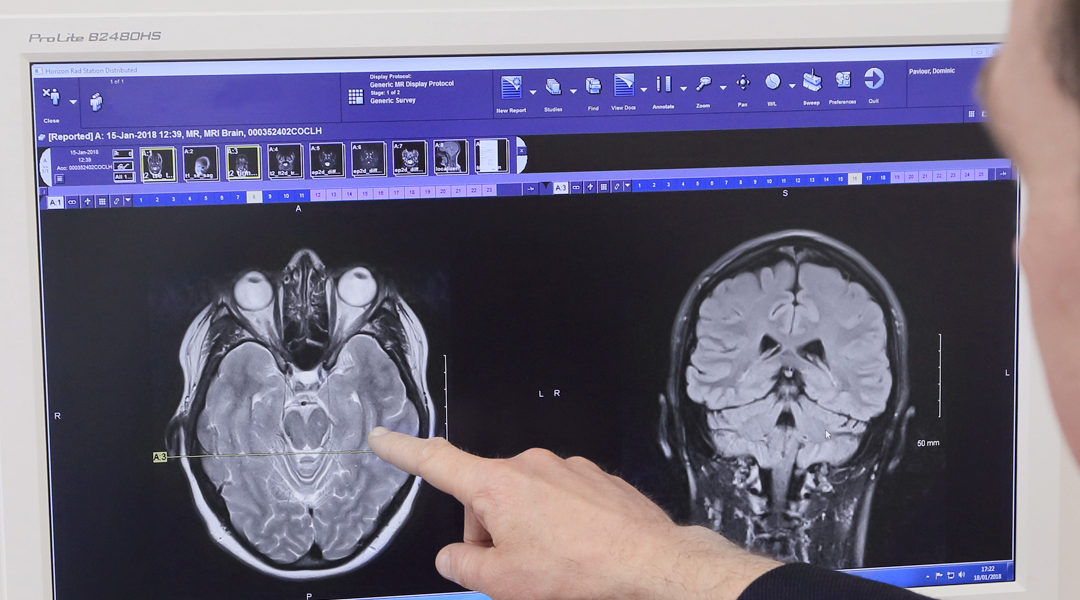
As we move through 2026, the concept of “brainspan” which is the period of life during which our brains remain sharp and functional, has become as vital as lifespan. In an era of digital overload and chronic stress, cognitive resilience is a must. Modern neurology now emphasises proactive, science-backed lifestyle interventions that shield the brain from decline and enhance its ability to adapt. Prioritise your cognitive health in 2026.
Prioritising Metabolic and Gut Health
One of the most significant recent shifts is the understanding of the gut-brain axis and its role in neuro-inflammation. Research shows that maintaining a healthy microbiome highly important for brain resilience.
- Anti-inflammatory Nutrition: Adopting a Mediterranean diet rich in leafy greens, oily fish, and polyphenols helps quell low-grade inflammation that can damage neurons.
- Glucose Regulation: Stable blood sugar levels are essential. Frequent spikes from ultra-processed foods can lead to insulin resistance in the brain, which is a known risk factor for cognitive impairment.
- Microbiome Diversity: Incorporating fermented foods and varied fibre sources supports the gut bacteria that produce metabolites, such as butyrate, which strengthen the blood-brain barrier.
The Power of Movement and Neurogenesis
Physical activity remains the most effective tool for promoting neurogenesis, the medical term for the birth of new nerve cells. In 2026, your approach to exercise may have more impact on your brain health than you think:
- Aerobic Fitness: Brisk walking, cycling, or swimming increases blood flow to the brain and boosts levels of Brain-Derived Neurotrophic Factor (BDNF).
- Strength Training: Emerging studies highlight a strong link between muscle mass and a lower risk of neurodegenerative issues.
- Coordination and Novelty: Activities that combine physical movement with cognitive challenge, such as dance or martial arts, help with building synaptic reserve.
Restorative Sleep and the Glymphatic System
Sleep is the brain’s “rinse cycle.” During deep sleep, the glymphatic system clears out metabolic waste, including amyloid-beta proteins linked to Alzheimer’s disease.
- Consistency: Waking up and going to bed at the same time stabilises the suprachiasmatic nucleus, the brain’s master clock, which regulates mood and focus.
- Light Exposure: Getting natural light early in the day helps align circadian rhythms, ensuring deeper, more restorative sleep at night.
- Digital Boundaries: Avoiding screens for at least an hour before bed prevents blue light from disrupting melatonin production.
Building Synaptic Reserve Through Learning
Cognitive resilience is largely about the density of your neural network. The more connections (synapses) you have, the better your brain can compensate for age-related changes.
- Lifelong Learning: Engaging in challenging tasks, such as learning a new language or a complex hobby, forces the brain to create new pathways.
- Social Connection: Isolation is a major risk factor for cognitive decline. Social interaction provides the mental stimulation that the brain requires to stay resilient.
- Mindfulness: Regular mindfulness practice helps the prefrontal cortex regulate emotional responses and reduce toxic stress levels.
Expert Neurological Guidance with Dr Paviour
Building brain resilience is a lifelong journey, and in 2026, it is more achievable than ever with the right specialist support. Dr Dominic Paviour, a leading Consultant Neurologist in London, is dedicated to helping patients navigate these proactive strategies to ensure long-term cognitive health.
Comprehensive Brain Health Assessments
Dr Paviour provides detailed evaluations that look beyond immediate symptoms to assess your overall neurological wellbeing. By identifying risk factors early, such as high blood pressure, sleep disorders, or subtle memory changes, he can help you implement a personalised plan to protect your brainspan.
Leading Care to Protect your Cognitive Health in 2026
Based in Harley Street and other central locations, Dr Paviour integrates the latest 2026 research into his clinical practice. His approach combines clinical precision with an understanding of how lifestyle, technology, and environment intersect to affect brain function.
- Specialist Diagnostics: Access to advanced imaging and biomarkers to detect early signs of change.
- Personalised Management: Tailored advice on nutrition, exercise, and sleep hygiene based on your unique neurological profile.
Dr Paviour has regular clinic appointments available if you are concerned about any neurological symptoms. Get in touch today to find out more.