
Most people associate Parkinson’s disease with visible movement issues like tremors, stiffness, or slow movement. While these motor symptoms are central to the condition, they often appear later in the disease progression. Research now shows that many patients experience a variety of non-motor symptoms years before a tremor ever develops. Recognising these early signs is essential for securing a timely diagnosis and starting a proactive management plan.
The silent early signs of Parkinson’s DISEASE
The earliest symptoms of Parkinson’s disease can be subtle. They do not involve movement, so patients and even some general practitioners may attribute them to ageing or other minor health issues. However, when these symptoms occur together, they provide important clues about neurological health.
Common early indicators include:
- Loss of sense of smell: Many patients notice a reduced ability to smell long before motor issues begin.
- Sleep disturbances: Vivid dreams, talking, or physically acting out dreams can indicate early changes in the brain.
- Constipation: Persistent digestive issues are a frequent early complaint, as Parkinson’s can affect the nerves controlling the digestive tract.
- Mood changes: Feelings of anxiety or a low mood can emerge without a clear external cause.
Recognising non-motor symptoms
As the condition progresses, non-motor symptoms often become more prominent. These issues can impact your daily life just as much as movement difficulties, yet they are frequently under-reported during consultations.
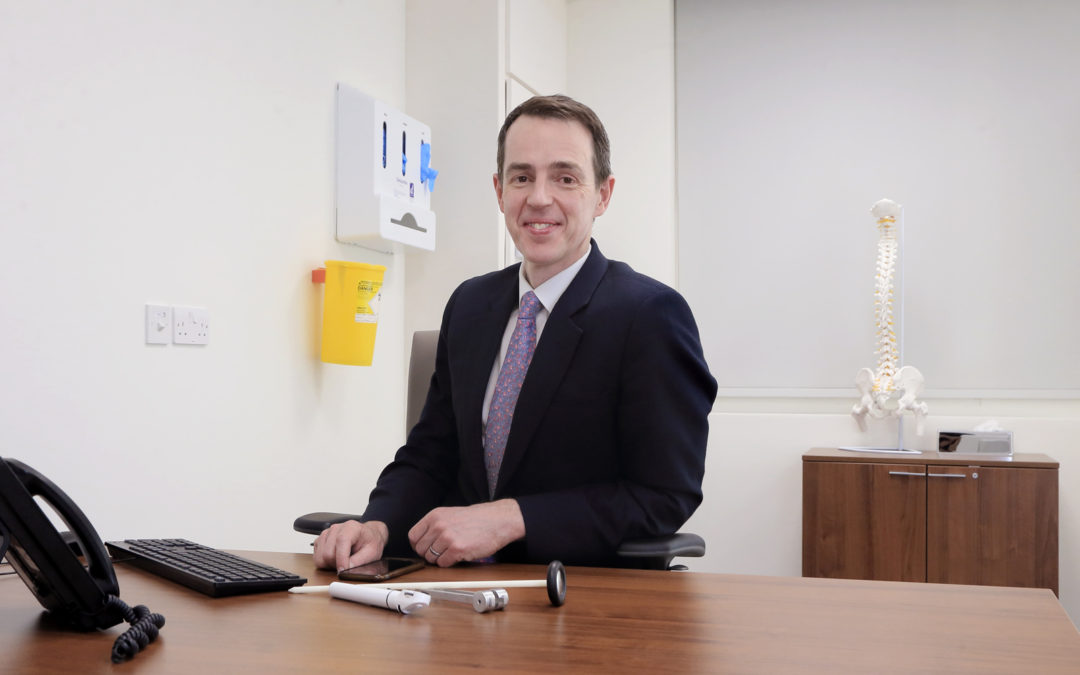
Dr Dominic Paviour focuses on identifying these hidden symptoms to provide a more complete picture of a patient’s health. These may include:
- Cognitive changes: Some individuals experience difficulty with multitasking, planning, or word-finding.
- Blood pressure fluctuations: A sudden drop in blood pressure when standing up can cause dizziness or fainting.
- Fatigue and pain: Persistent tiredness that does not improve with rest, or unexplained aches in the joints and muscles, are common.
- Bladder issues: An increased urgency to use the bathroom, particularly during the night, can be a symptom of the condition.
The importance of a specialist assessment
Parkinson’s disease is a complex condition that affects everyone differently. There is no single test for the disease, so a diagnosis relies heavily on the clinical expertise of a neurologist. Dr Dominic Paviour, a Consultant Neurologist in London, specialises in the diagnosis and long-term management of Parkinson’s and other movement disorders.
During a consultation, Dr Paviour performs a thorough evaluation of both motor and non-motor symptoms. He uses this detailed assessment to distinguish Parkinson’s from other neurological conditions that may mimic its symptoms. This careful approach ensures that you receive an accurate diagnosis and a treatment strategy tailored to your specific needs.
Managing Parkinson’s DISEASE with expert guidance
A modern approach to Parkinson’s care focuses on improving quality of life. While medication is often used to manage motor symptoms, Dr Paviour also addresses the non-motor aspects of the condition through a combination of clinical therapies and lifestyle adjustments.
Early intervention allows for better symptom control and helps patients maintain their independence for longer. By working with a specialist who understands the full spectrum of the disease, you can navigate your diagnosis with confidence and support.
Book a consultation with Dr Dominic Paviour
If you are concerned about early signs of Parkinson’s or need expert help managing a current diagnosis, specialist advice is available. Dr Paviour holds regular clinics at prestigious London locations, including the Harley Street Clinic and Parkside Hospital. Contact us today to arrange an appointment and take a positive step toward managing your neurological health.